Work Breakdown
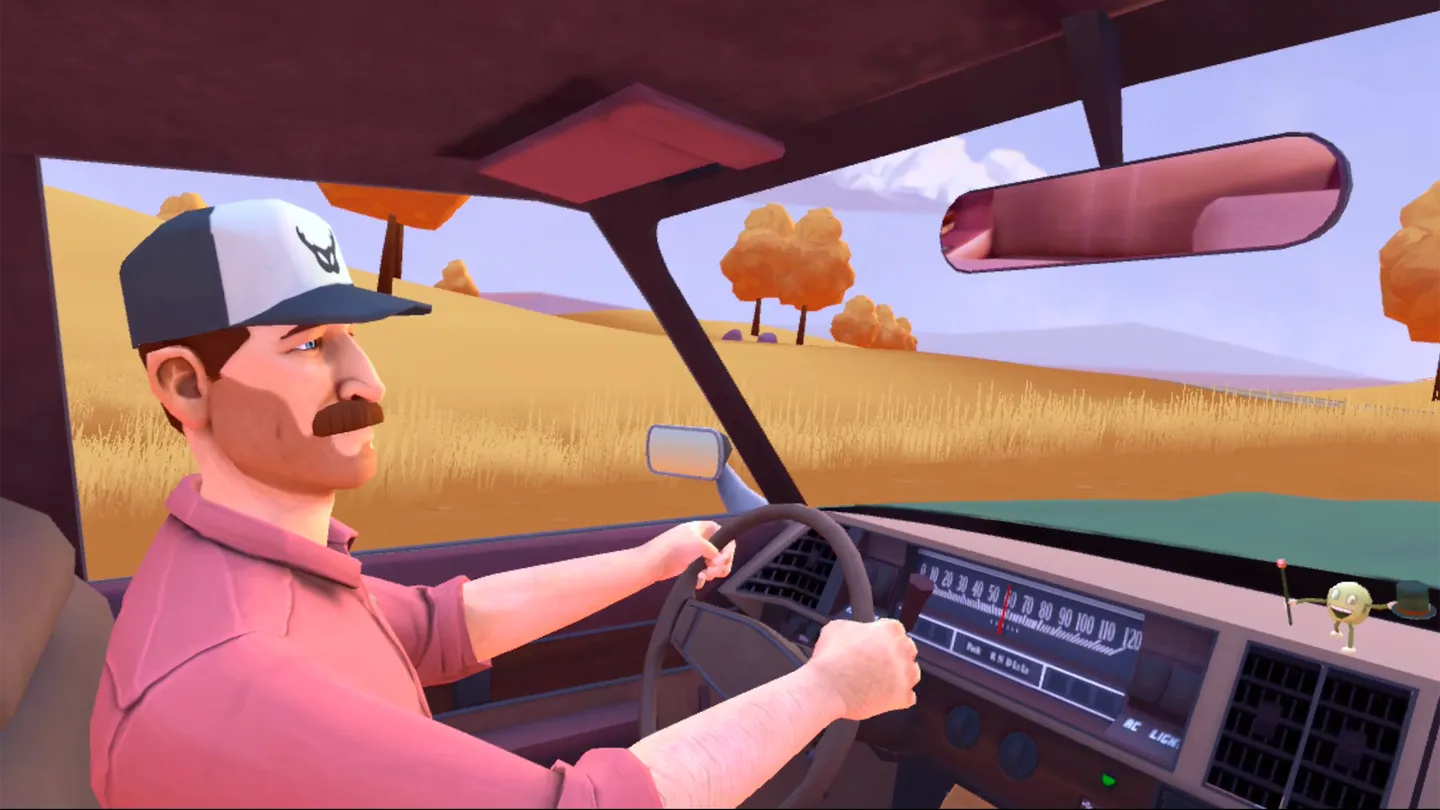
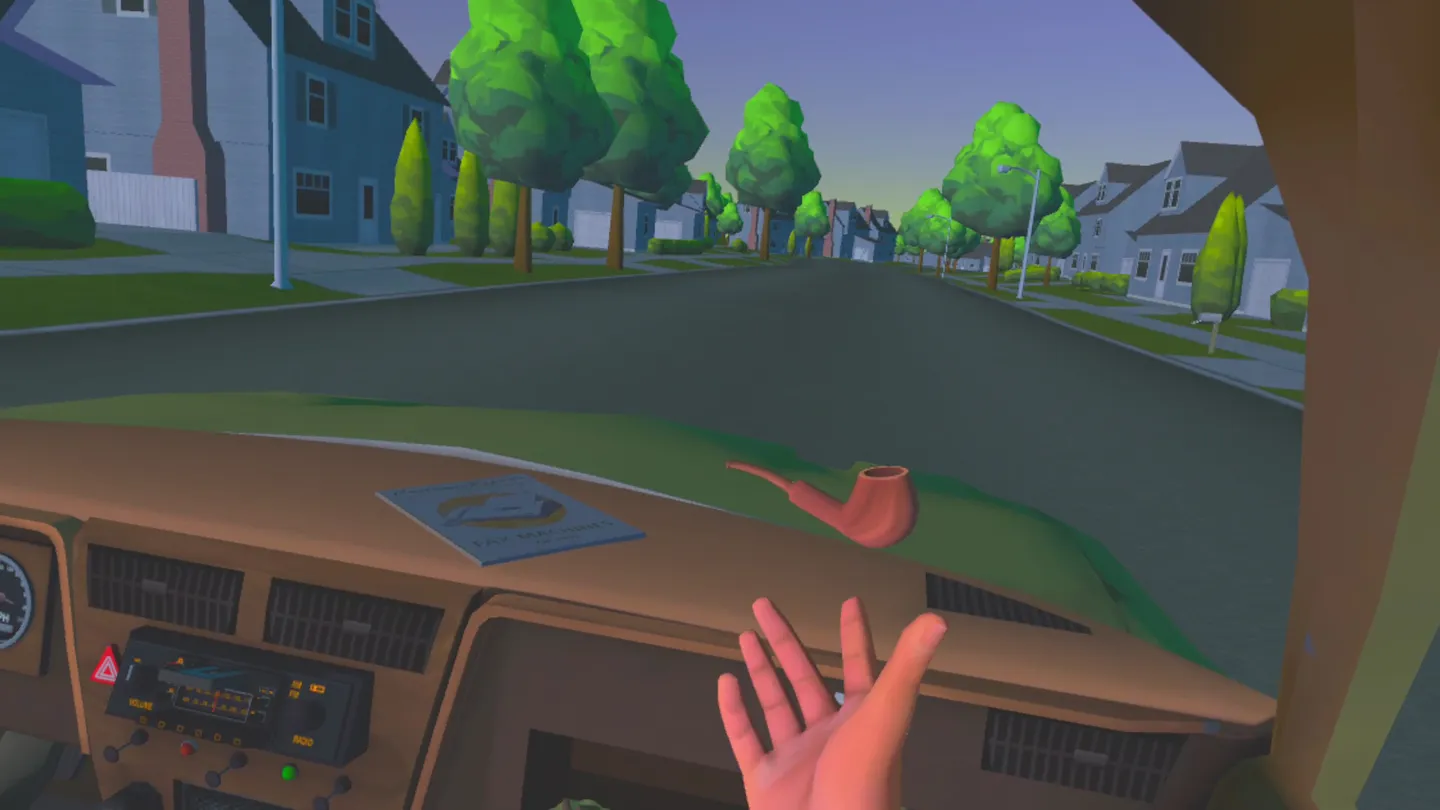
Creating a VR port of a video game in which the player sits inside a vehicle throughout the whole game turned out to be pretty tricky, as it triggered motion sickness in a lot of playtesters. At the same time, the game was also described as very atmospheric when played on the Meta Quest, as the whole feeling of being on a car ride was easy to emulate just by sitting on a chair.
In addition to redesigning a good amount of the game to make it playable in VR, there were a lot of technical constraints we had to adhere to, due to the state of the Meta Quest at that point. Regardless, this was a very fun project to work on and opened up the doors of VR design to me.
The Work
- Converting game design and gameplay into the constraints of VR
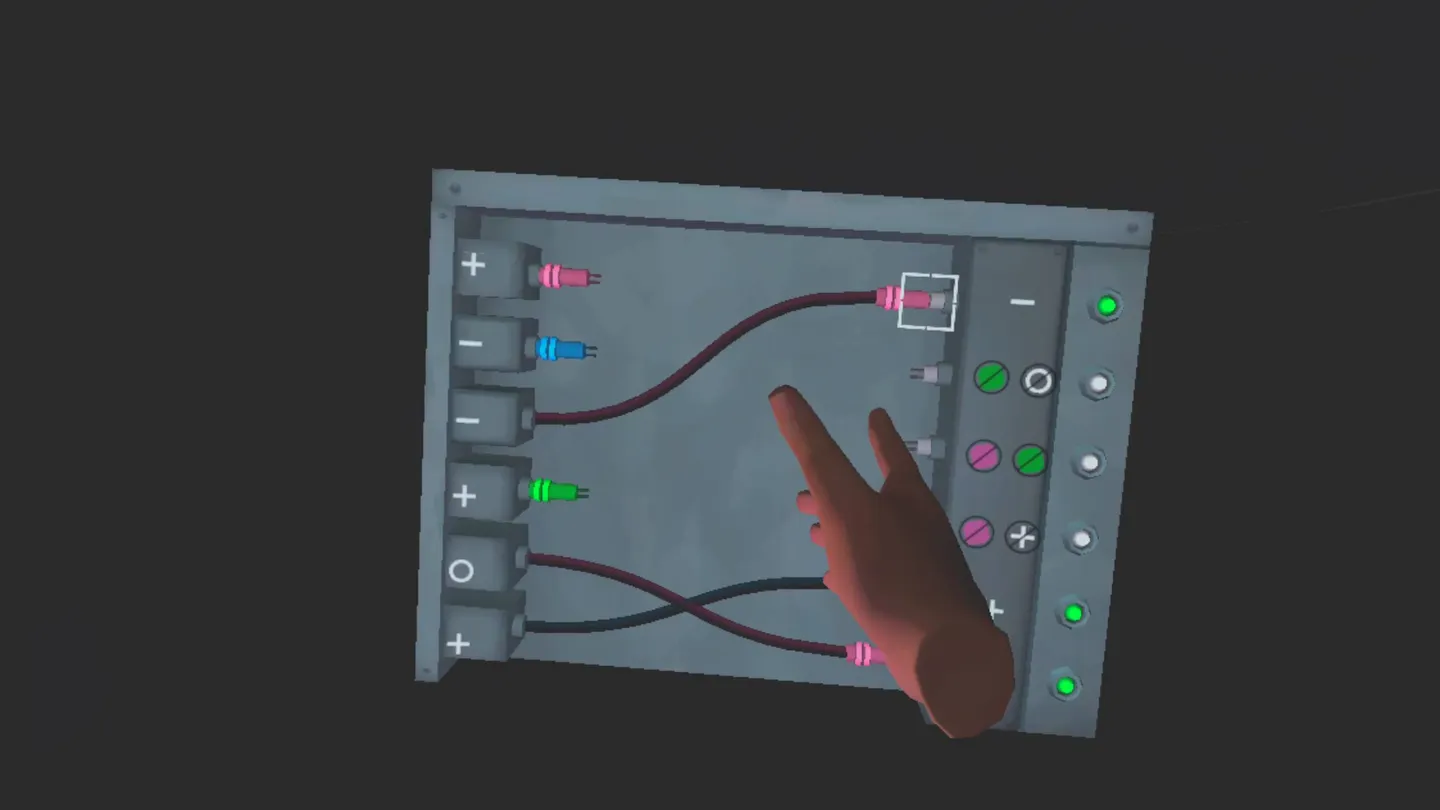
- Redesigning the puzzle designs
- Implementing VR-driven UX design, like additional hover states
- Leading a 5-person strike team, iterating on the design based on playtest feedback
What I learned
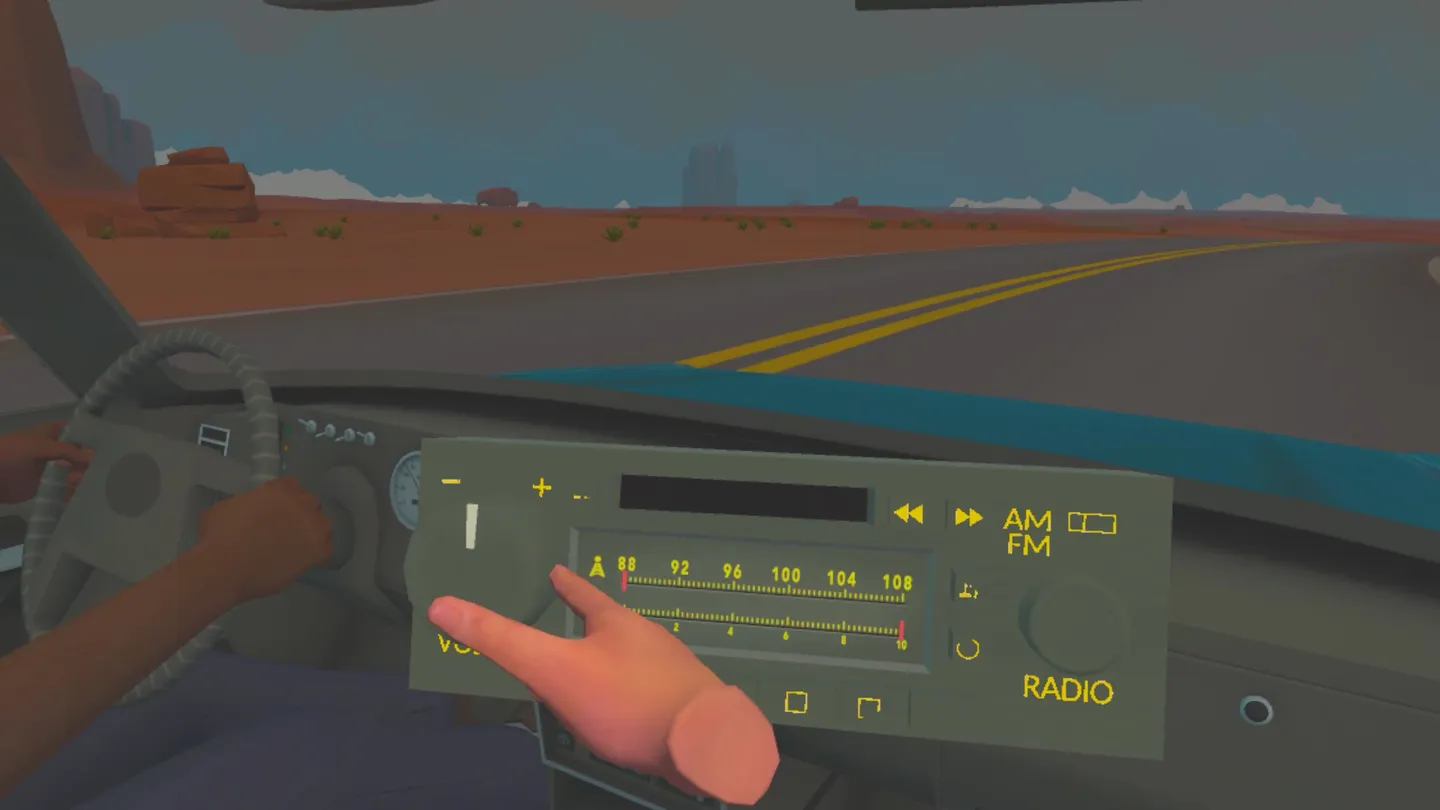
This was my first project where I’ve worked in VR, and it was really interesting to learn that there is a whole additional set of game design principles you have to use when designing for VR. With the biggest issues being motion sickness or playtesters becoming disoriented, there are a lot of additional UX constraints you have to get right in order to design an immersive experience. We had to adjust the puzzle design quite a bit, making objects previously part of the inanimate car interior interactable, so that players could use the Meta Quest controllers.
I believe VR is still a very overlooked area with a lot of potential, especially when it comes to the realm of emotional design, and I would love to work in VR again at some point.
Media