Work Breakdown
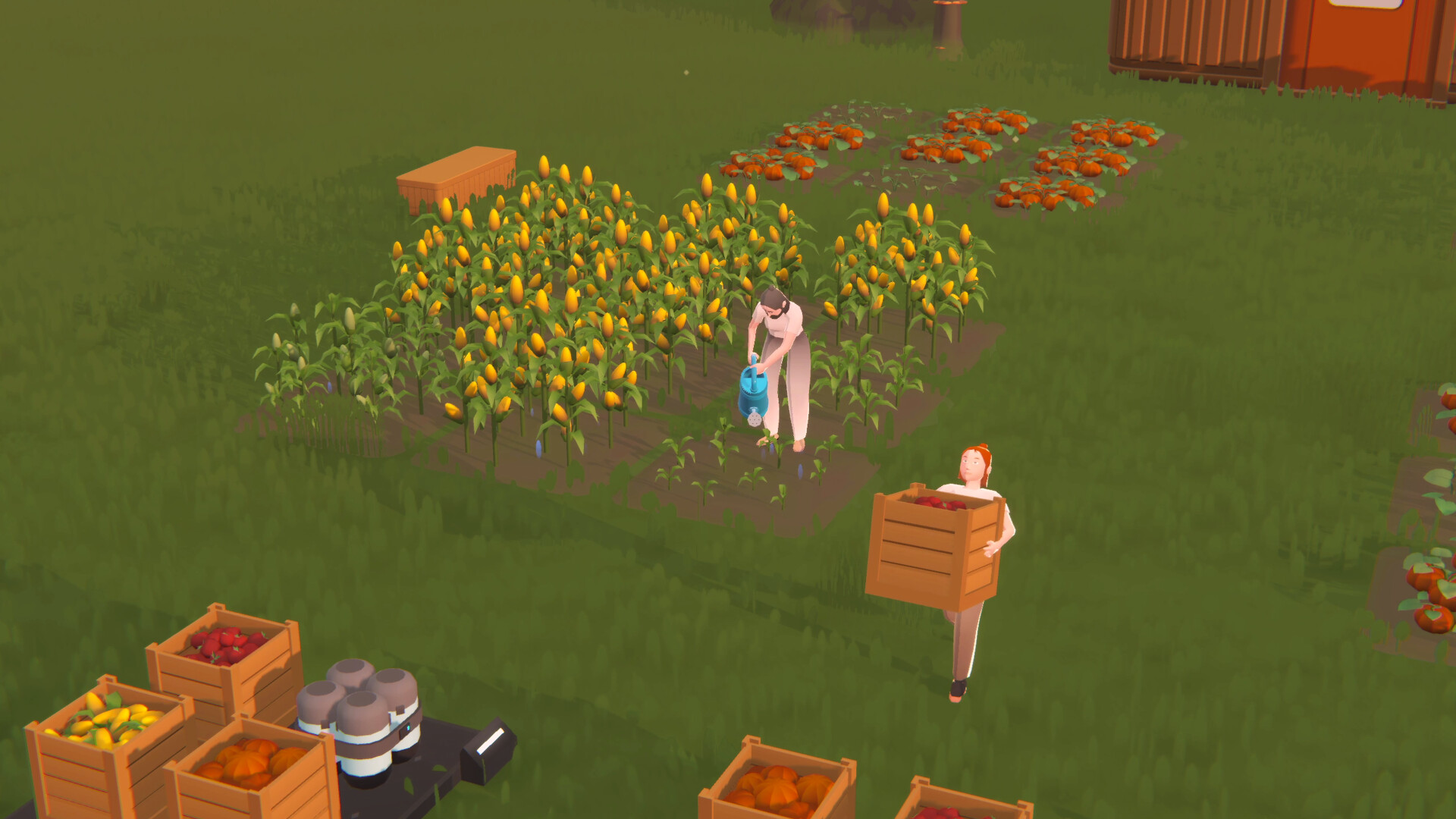
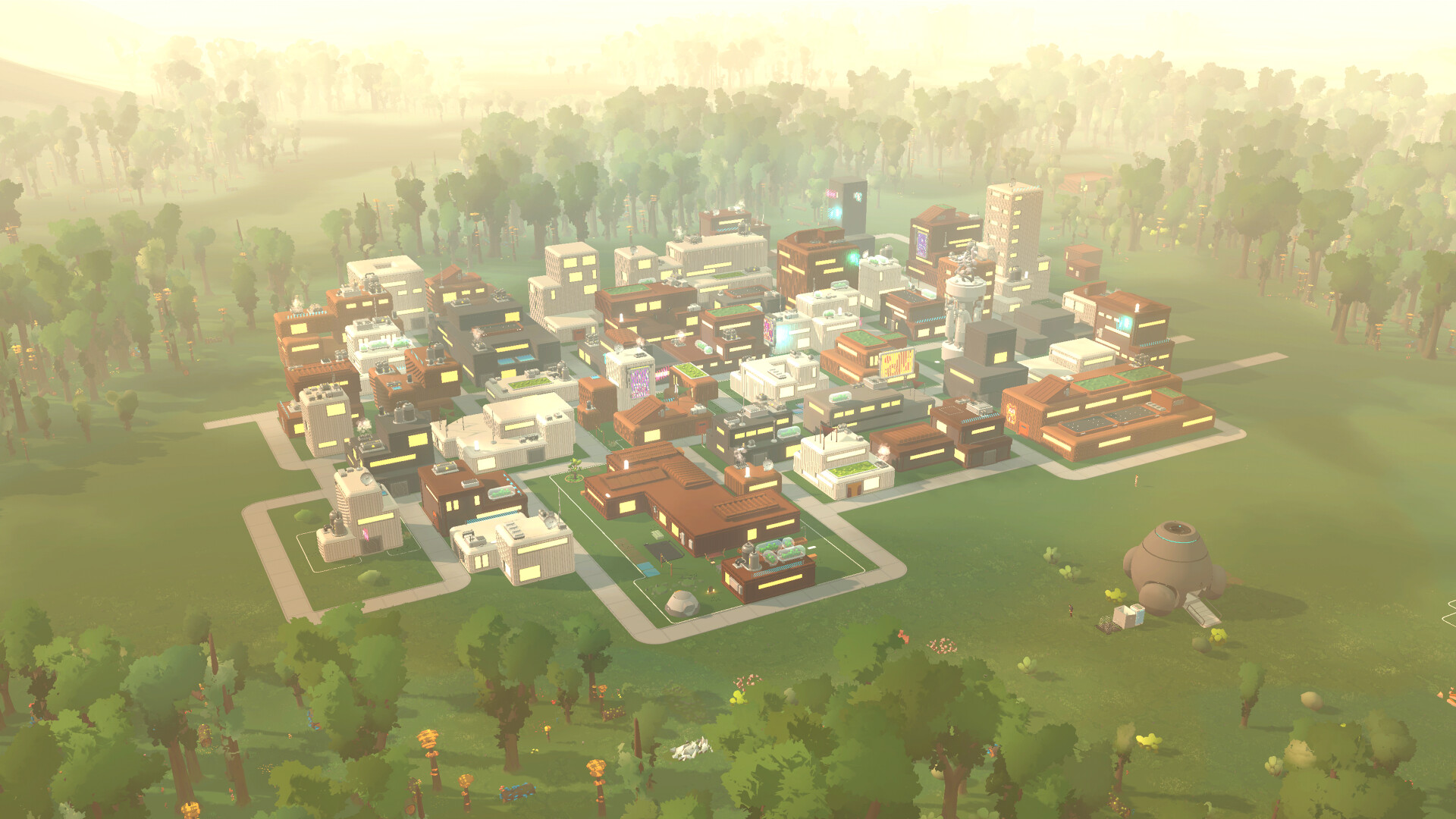
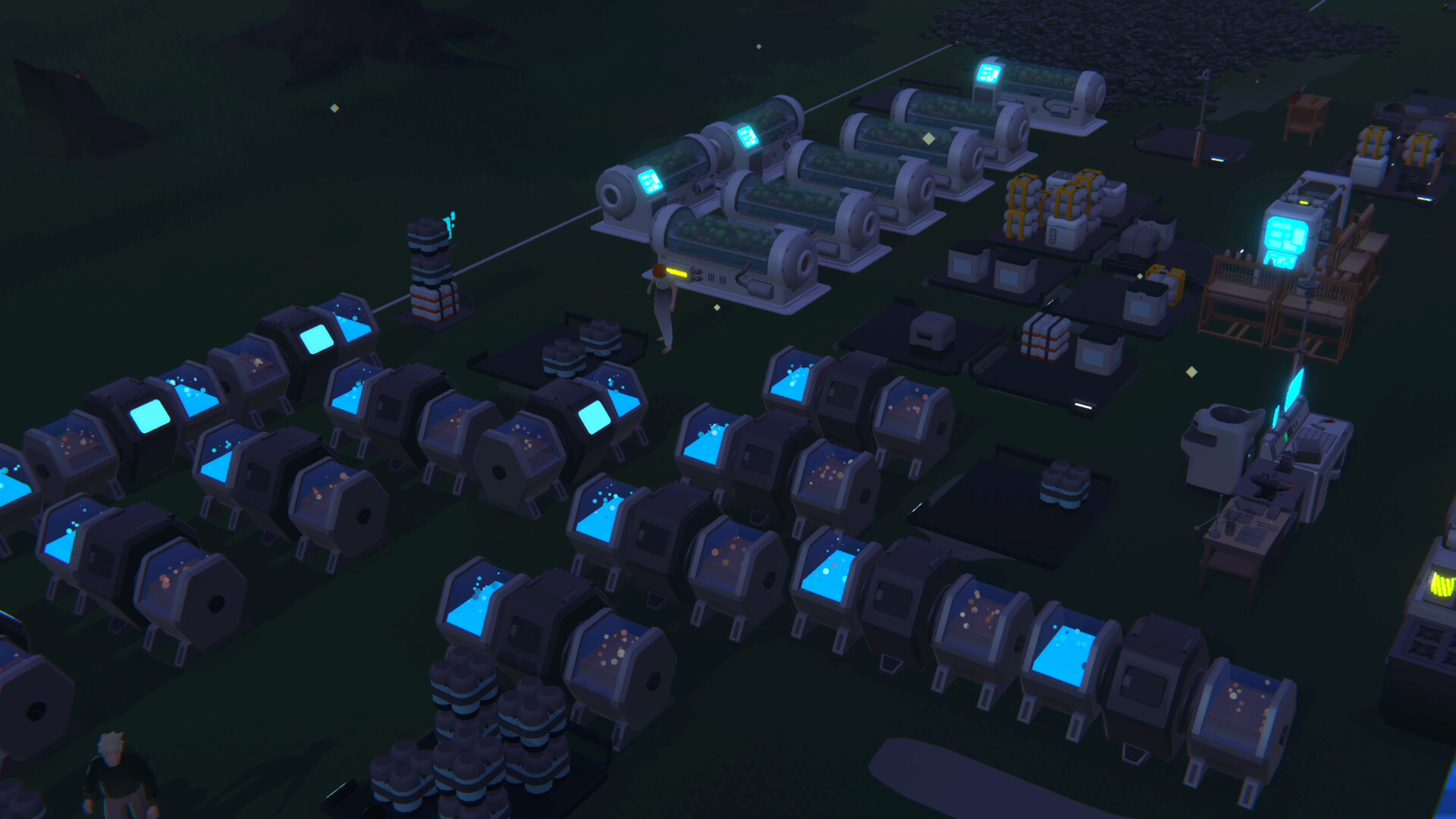
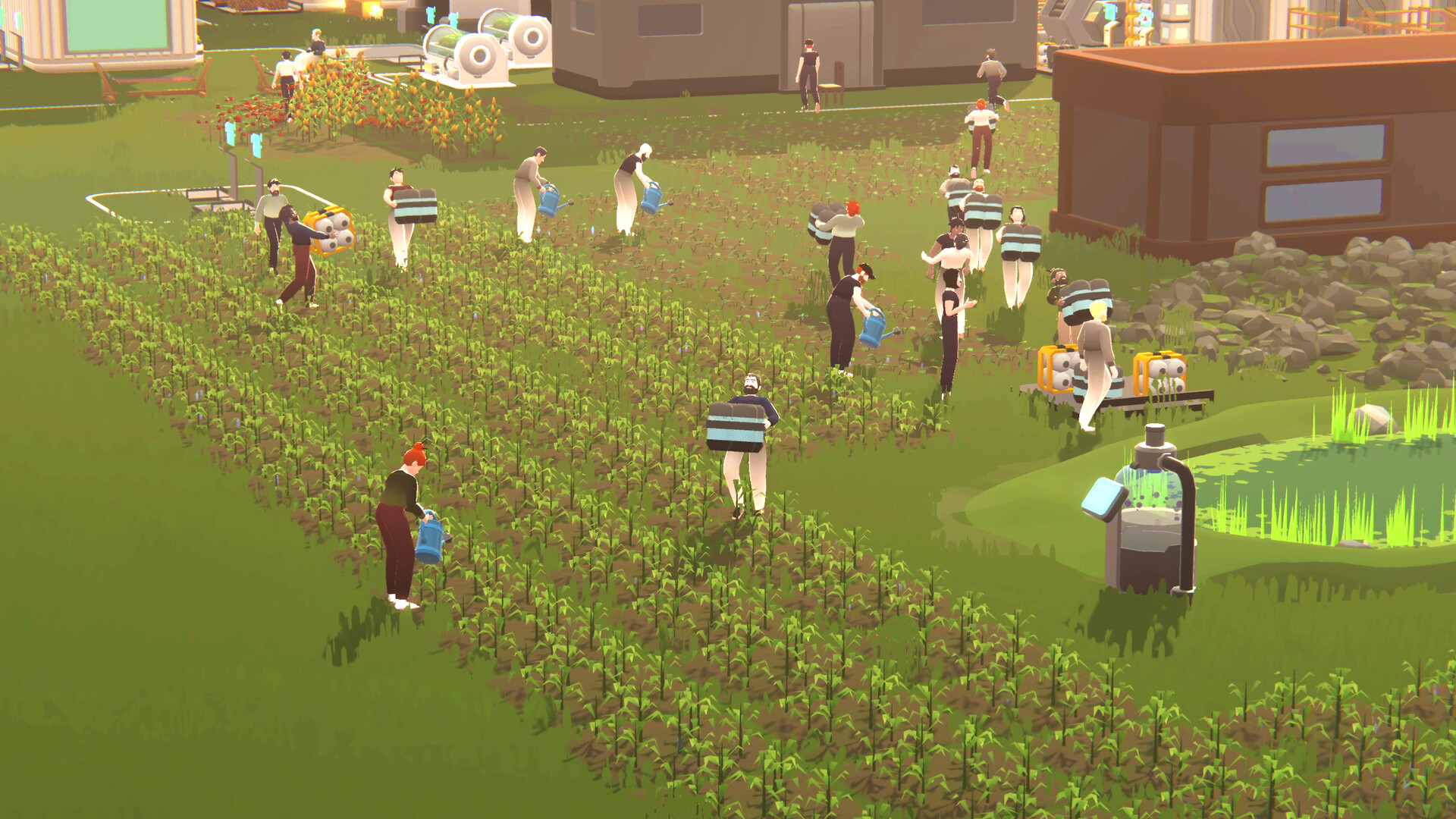
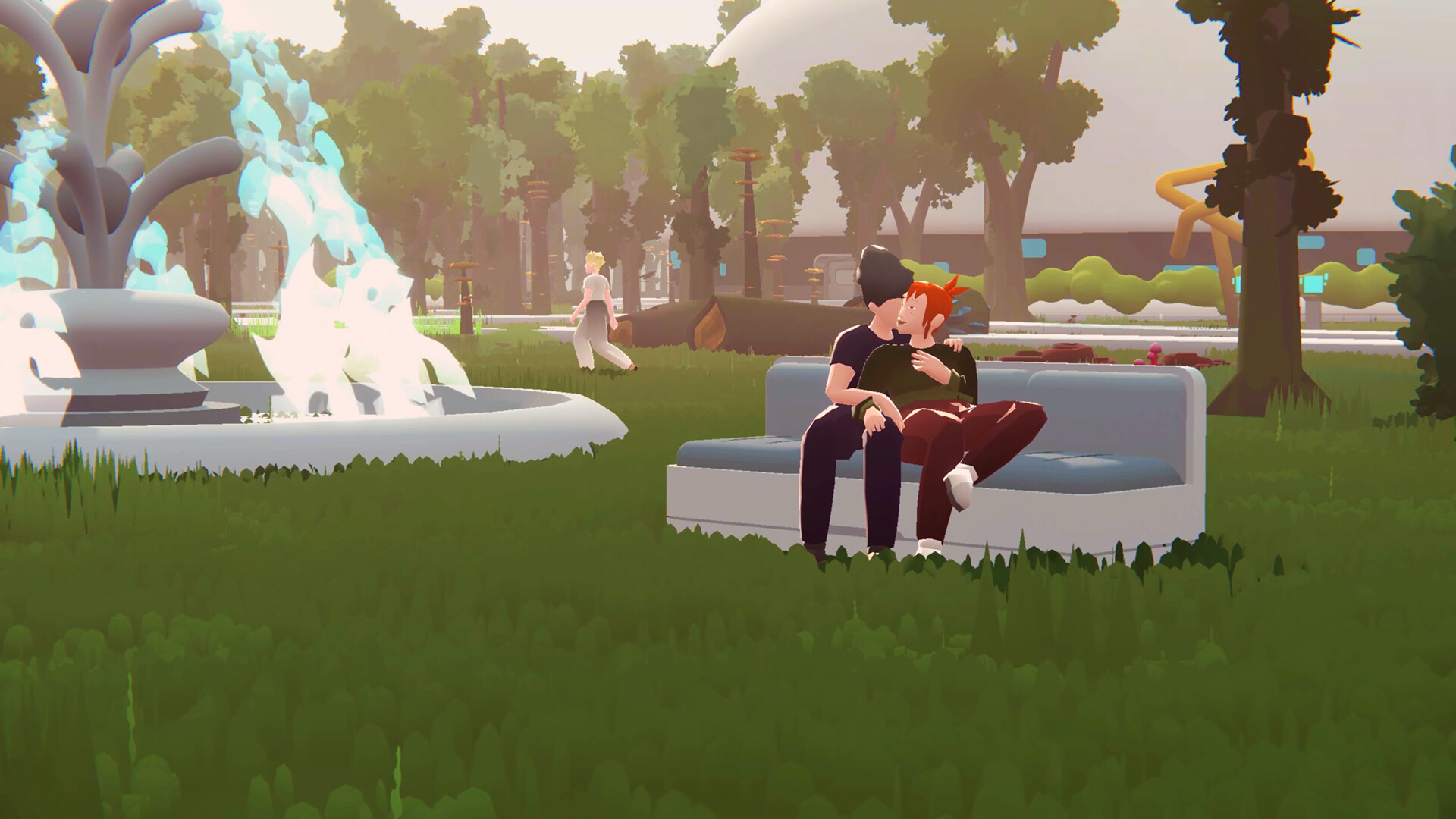
Seed dives into different kinds of genres, like RPGs, life simulations, and production-heavy games, and tops it all off with being a persistent multiplayer game. That being said, my work on Seed will probably go down as one of the most systemically design-heavy games I’ve ever worked on.
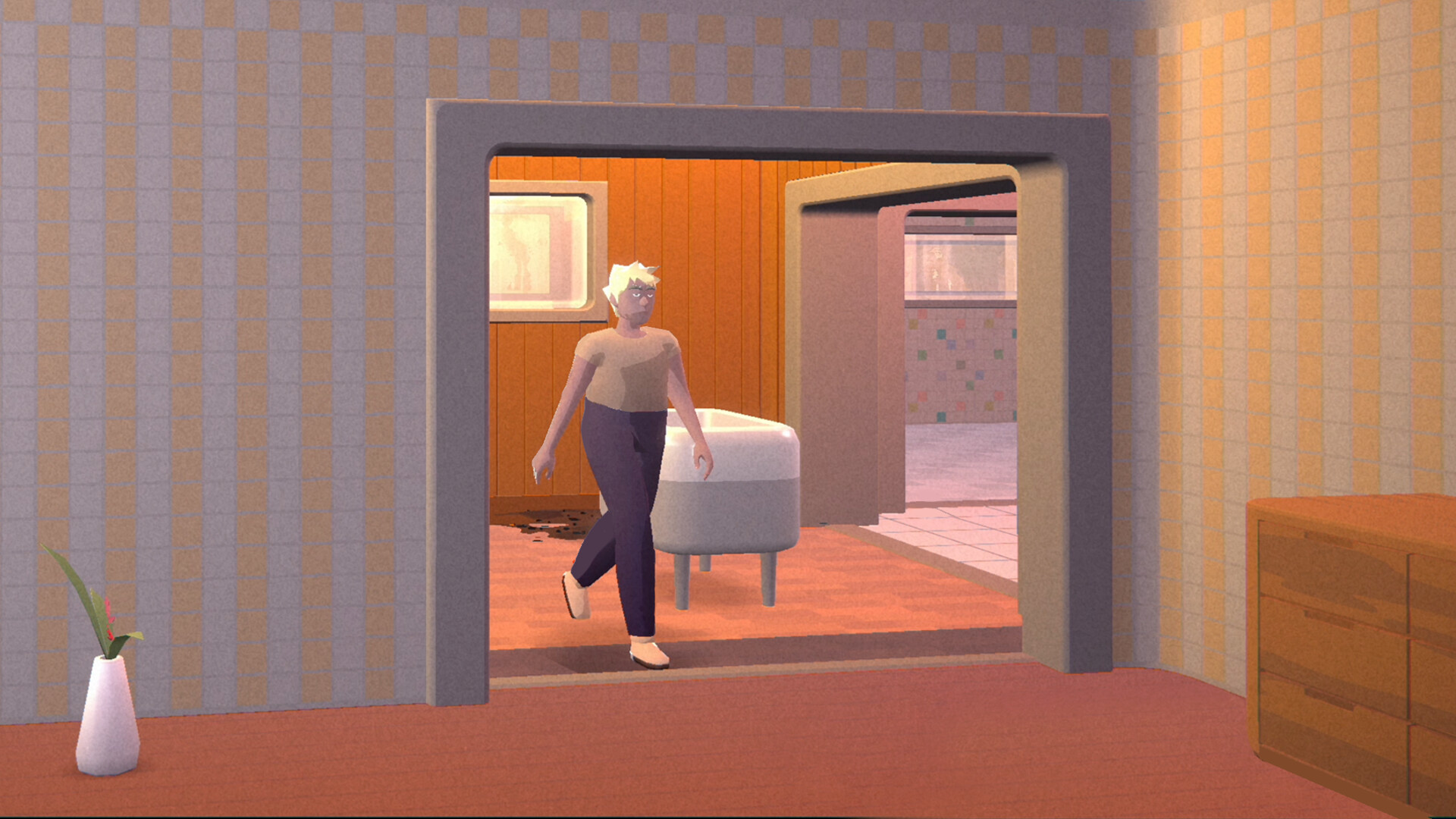
Being a lifelong The Sims fan, the concept of an MMO focusing on these slice-of-life, cozy everyday moments is what made me want to work on Seed, and I ended up touching pretty much every system of the game at one point. Whether it was designing the life stages of a Seedling and their lifespan, designing how Seedlings should eat at tables, or designing the clothing system.
The Work
- Leading a cross-discipline feature team, the „Caretaking Team“, designing and owning multiple features and systems such as:
- Relationships
- Ageing System
- Traits and Interests
- Seedling Life Stages
- Owning feature development, from concept to
implementation in Unity - Incorporating and balancing game content through internal JSON tools
- Defining gameplay vision in collaboration with product
leads and stakeholders - Pitching and iterating on features based on player research and external playtests
What I learned
Mastering a gameplay loop or how to present an accessible feature to players is one thing. But designing it in a multiplayer environment with a player-driven economy is a whole other topic. This role further strengthened my systemic-heavy approach, as all of the features and systems making up a Seedling were intertwined, requiring a lot of brainstorming sessions and solving edge-case scenarios that could have crippled the whole game economy. It also introduced me to the area of game balancing, as the game content I integrated in Unity had to follow certain standards to, again, not break the whole game.
I also learned a lot about multiplayer design and what it means to design for an MMO, which is a genre I’m very glad I got the chance to work on. The loop of working with user research and engaging directly with the community on Discord was great, as I really enjoy working as a player-centric designer. It taught me a lot about what it means to connect people through a game, and more importantly, how to juggle the introduction of new systems while balancing existing ones in a live game environment.
Media
TechRadar